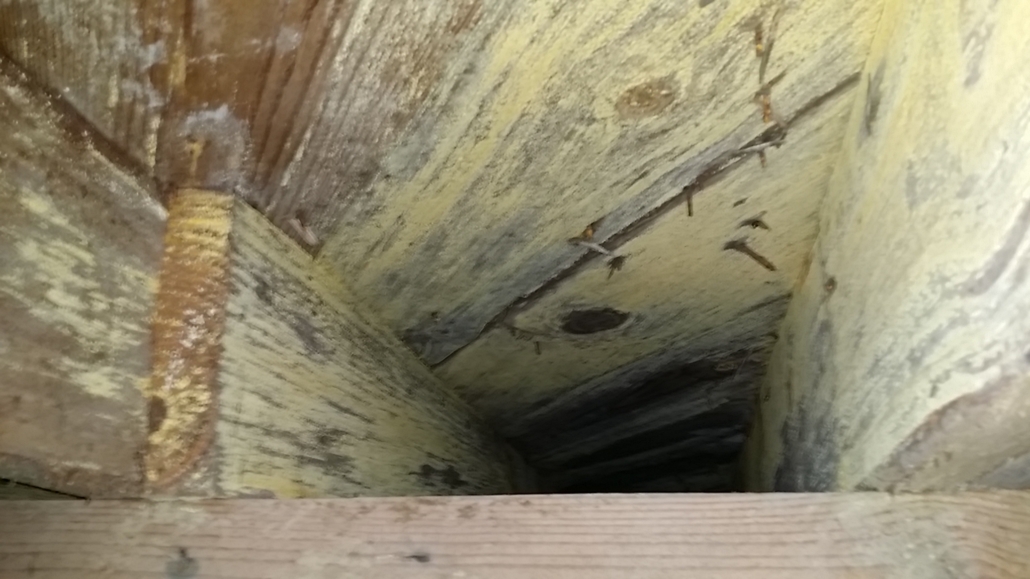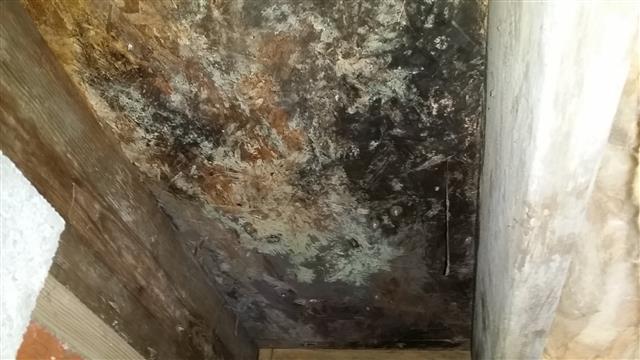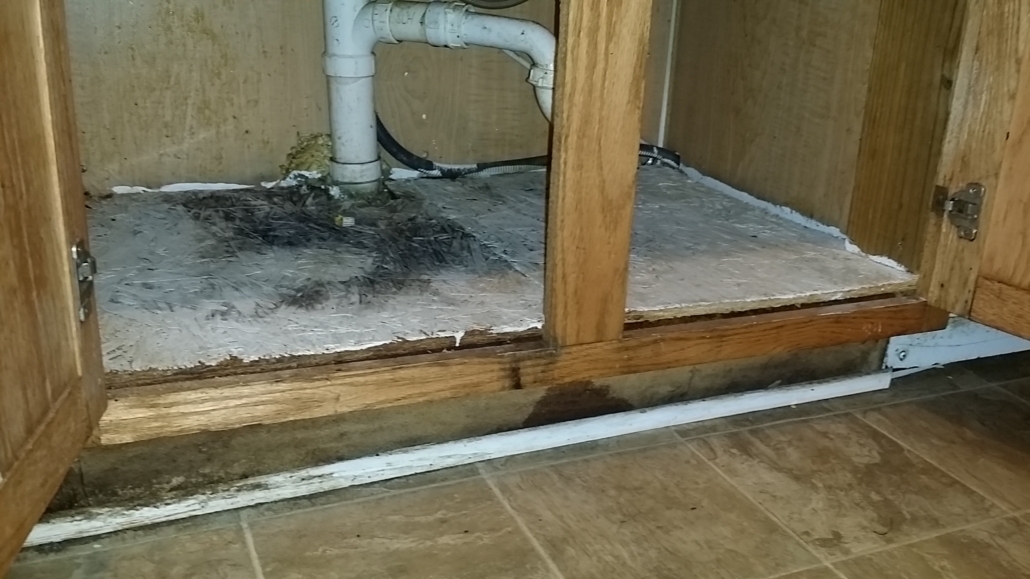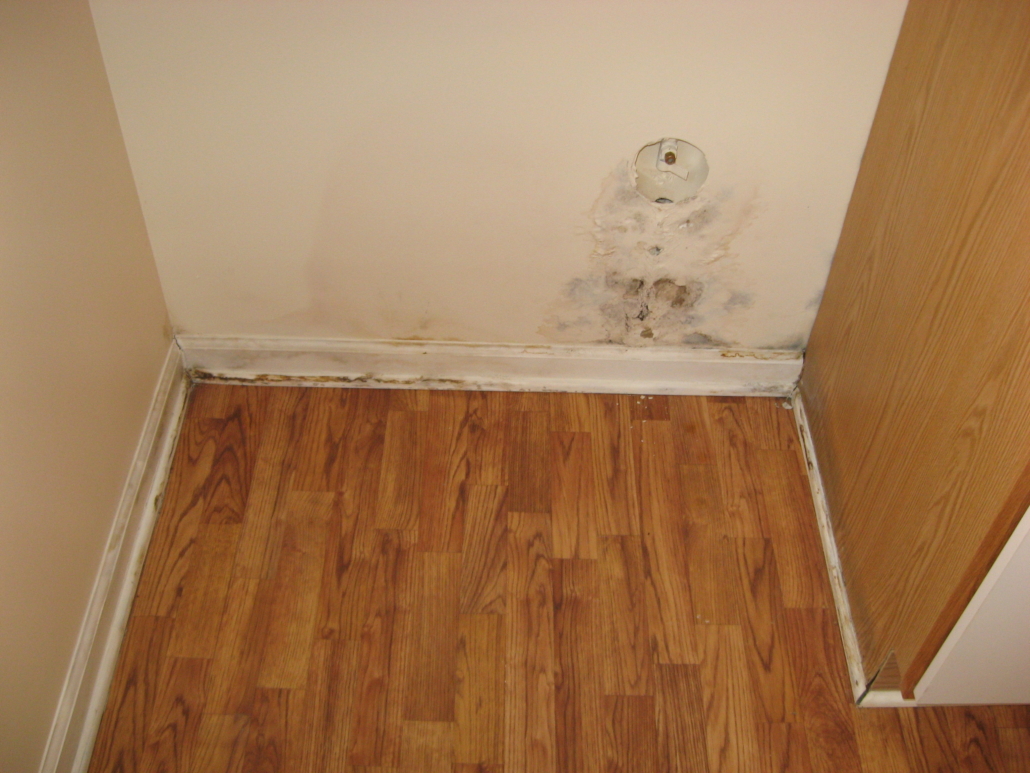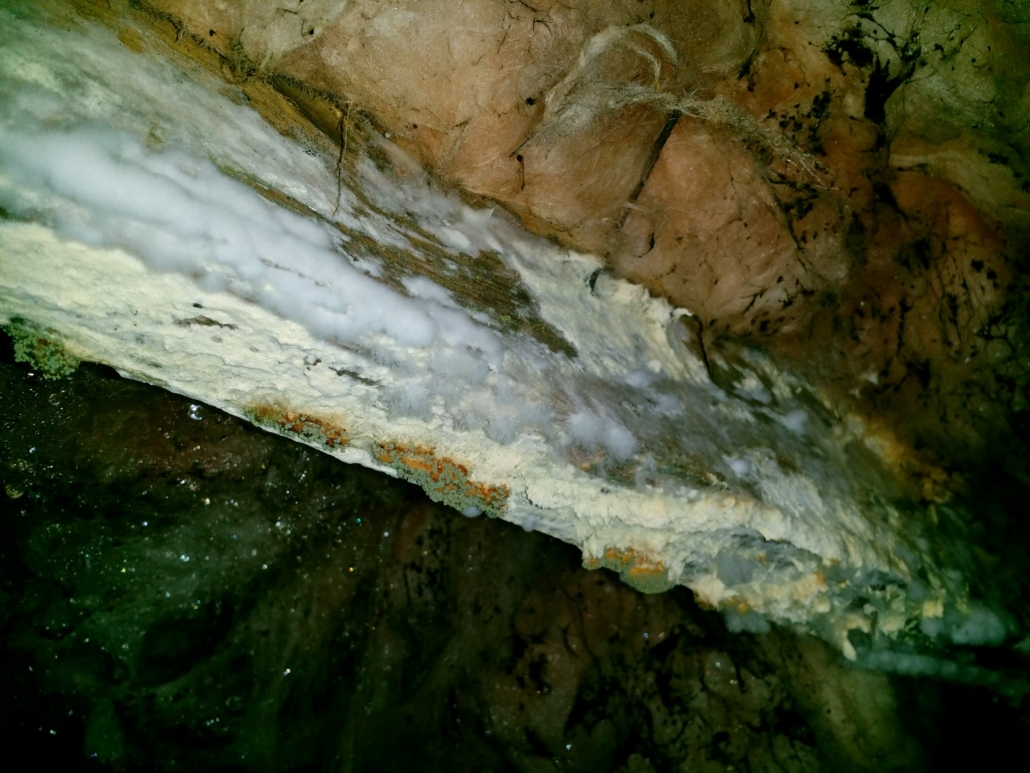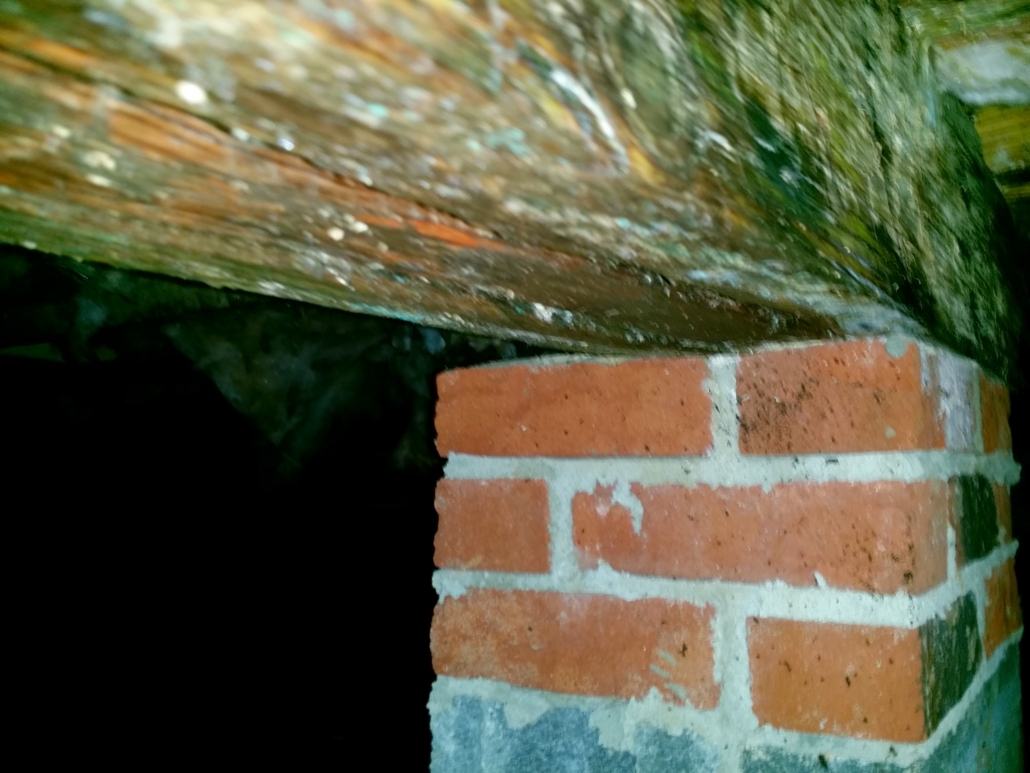
Mold grows fast in North Carolina’s humid climate, and much of it hides behind walls, under floors and in crawl spaces where you can’t see it. Our mold testing and air sampling gives you lab-analyzed results, so you know whether mold is present and what kind, before you buy, after a water problem, or when something just doesn’t smell right.
We test homes in Raleigh, Cary, Durham and the surrounding area. You can schedule mold testing on its own or add it to your home inspection.
Mold testing is important in our humid climate
In the State of North Carolina home inspectors do not report on the presence of any suspected adverse environmental condition or hazardous substances such as mold. We feel that this is a very important service so we have gone above the State standards to become certified to offer this very important service to our clients.
We are unbiased inspectors and not interested in selling repair and remediation services. We are only interested in helping you determine if any mold is present in your home and if possible, helping uncover the underlying conditions that allowed it to occur.
Mold Testing FAQs
Why perform a mold test?
- Thermal Imaging found hidden moisture in a ceiling or wall
- Seller disclosure indicates past water damage or mold issues
- Infants, immunocompromised members of your household, elderly
- Sensitivities to mold, allergies, asthma, …
- Old water stains or damage found in your home
- High humidity and/or condensation
- Musty odors detected
What does mold testing and air sampling include?
With our standard air sampling package we take three samples: one outdoor control and two indoor samples. We can also sample any surface or location you ask about. A laboratory analyzes the samples, and you receive a visual report with images of the mold spores and particulates found. Larger homes and multiple HVAC systems warrant additional sampling. Call to discuss your particular needs.
Does my home inspection include mold testing?
No. In North Carolina, the home inspection does not report on mold or other suspected environmental hazards under the state standards. Mold testing is a separate service, and we are certified to offer it.
When should I test for mold?
Testing makes sense when mold is suspected or the seller’s disclosure mentions past water damage or mold. It also helps when your home has water damage, high humidity or condensation, or musty odors, and when anyone in the household is an infant, elderly, immunocompromised, or sensitive to mold, with allergies or asthma.
Can I schedule mold testing by itself?
Yes. You can add mold testing to a home inspection or schedule it as a stand-alone visit. A stand-alone visit may include a small trip fee based on travel distance.
What happens if the test finds mold?
You receive the laboratory report showing what was found and where the levels are elevated. We are unbiased inspectors and do not sell repair or remediation services, so we are only interested in whether mold is present and, where possible, what conditions let it grow. You can then get remediation quotes from a company of your choice.
What areas do you serve?
We perform mold testing across the central Triangle, with local service areas that include:
- Raleigh, Cary & Morrisville
- Apex, Pittsboro & New Hill
- Garner, Fuquay-Varina & Holly Springs
Based in Cary, we also serve most other surrounding communities in Wake, Durham and Chatham counties, including Sanford. Call 919-247-2617 or check the online scheduler for our availability. See all areas we serve.
What Our Mold Report Identifies
90+ Mold Spores
- Chaetomium
- Stachybotrys (Black mold)
- Ulocladium
- Fusarium
- Alternaria
- Aspergillus/penicillium
- Cladosporium
- Ascospores
10+ Air Particulates
- Particulates & sizes
- Pollen
- Insect parts
- Animal skin
- Human skin
- Carbon
and many more…